
What a Card Hold Means on a Free OnlyFans Page
Seeing a small pending charge after joining a free OnlyFans page confuses many people. The page costs nothing, yet your bank shows a temporary amount on hold.

The short answer is that free pages still verify payment details. The card check protects the platform and the creator from fake accounts and chargebacks.
Nothing about a zero-dollar subscription removes the need for a valid card. The hold is not a fee and not a subscription price.
Why a Free Page Asks for a Card
A free page on OnlyFans is simply a page whose subscription price is set to $0. The creator earns through pay-per-view messages and tips instead of monthly payments.
The reason is age and identity verification. Payment details confirm you are an adult with a real banking relationship.
- Month one: $0 subscription plus a small temporary authorization hold
- Month two: $0 subscription, no renewal charge because the price is zero
- Optional tip: any amount you choose to send
- Optional pay-per-view message: priced by the creator, often a few dollars
- Platform fee: 20% of everything, so the creator keeps 80%
Since there is no monthly charge, the only money that moves is what you willingly spend. Tips and pay-per-view unlocks are the real revenue for free pages.
Ranking sites exist partly because OnlyFans has no built-in discovery feed or directory. Readers compare pages through third-party lists instead of browsing inside the app.

What the Hold Actually Is
An authorization hold is a temporary reservation placed on your card to confirm it is valid and has available funds. No money leaves your account at that moment. The bank simply sets the amount aside until the merchant confirms or cancels the transaction.
OnlyFans places a small hold at signup for card verification. If the card fails, the account cannot be completed. If it succeeds, the hold is released and the reserved amount returns to your available balance.
| Scenario | Typical amount | Typical duration |
| Free page signup verification | Small fixed amount, often around $1 | A few business days |
| Paid subscription, lowest tier | $4.99 per month | Charged each billing period |
| Paid subscription, common range | $4.99 to $15 per month | Charged each billing period |
| Paid subscription, highest tier | Up to $49.99 per month | Charged each billing period |
Paid pages typically sit between $4.99 and $15, with many averaging $5 to $10. There is no base price below $4.99, though promotional first months may dip below that. A free page never charges a subscription at all.
Practical tip: never use a debit card tied to your main checking account for multiple signups in one day. Several small holds stacked together can push your available balance lower than expected, even though none of the money is actually spent.

When the Hold Clears
Release times depend on your bank, not on OnlyFans. Card networks pass the release message quickly, but banks post the change on their own schedule. Most holds clear within three to five business days.
Credit cards often release holds faster than debit cards. Prepaid cards and some smaller banks can take the longest. Weekends and public holidays add extra days because processing queues pause.
- The merchant has not yet sent the release confirmation
- The bank batches hold releases only on business days
- The transaction posted on a Friday and sat over the weekend
- The card is prepaid, which often has slower settlement
- The account has a history of disputes, which triggers manual review
If the hold is still visible after ten business days, contact your bank first. Ask whether the authorization was released and simply not yet reflected. In most cases the answer is a processing delay, not a real charge.
Do not file a chargeback while a hold is pending. A dispute on an authorization that later releases can freeze your card and complicate your account. Wait for the release window to pass before escalating.

Hold Versus Charge Versus Refund
These three terms describe very different events, and mixing them up causes most of the confusion. A hold reserves funds. A charge moves funds.
| Term | What happens | Money leaves the account |
| Authorization hold | Funds reserved for verification | No |
| Charge | Payment captured and settled | Yes |
| Refund | Captured payment returned | Yes, then returned |
| Auto-renew charge | Subscription bills again at period end | Yes, unless cancelled |
On a free page, only the first category applies at signup. You will never see an auto-renew charge because the subscription price is $0. Charges appear only if you tip or unlock a pay-per-view message.
One detail matters for paid pages: when a creator raises the subscription price, auto-renew stops. Existing access lasts until the current paid period ends. You then choose whether to resubscribe at the new price.
Enabling two-step authentication in account settings protects the payment method attached to your profile. Verification holds are routine, but account security is what actually keeps your card safe. Turn it on before you follow several pages. For a starting point, best onlyfans engagement collects free pages.

What Your Statement Will Show
Your bank statement may not say OnlyFans at all. Card networks often display a processing descriptor instead of the merchant name. This is normal and does not mean someone else used your card.
The descriptor can differ from the page name you subscribed to. It can also differ between a hold and a settled charge. If you are comparing statements across several signups, expect small wording differences.
- Assuming an unfamiliar descriptor is fraud before checking the date
- Disputing a pending hold that would have released on its own
- Using a prepaid card and expecting instant release
- Signing up for many pages at once and losing track of each hold
- Ignoring account security settings while adding payment details
A quick way to match entries is to compare amounts and dates, not labels. Small identical amounts on the same day usually belong to the same signup session. Larger, irregular amounts are more likely tips or pay-per-view unlocks.
The 20% platform fee never appears on your statement as a separate line. It is deducted from what the creator receives, not added to what you pay. Your total at checkout is the full amount you agreed to.

If the Hold Looks Wrong
Start with your own records before contacting anyone. Check whether you signed up for more pages than you remember. Check whether a tip or unlock was sent on the same day as the signup.
Then contact your bank with specific details. Give the date, the amount, and the descriptor exactly as it appears. Ask whether it is an authorization or a settled charge, because the answer changes what happens next.
- Confirm the amount and date against your own signup records
- Ask the bank whether the entry is a hold or a settled charge
- Request the release date if it is still an authorization
- Wait out the release window before requesting a dispute
- Document everything if the entry remains after ten business days
A settled charge on a free page is unusual and worth questioning. An authorization is not. Most people who think they were charged were looking at a hold that disappeared days later.
If you joined several pages, compare your list of signup dates to the entries. A reader tracking engagement across many pages may find it useful to review how pages are compared on resources like best onlyfans engagement, which explains what ranking sites look at. Keeping your own simple log works just as well.
Repeat Holds at Follow-Up Signups
A second small hold can appear when you add a new payment method or re-verify a card. The platform repeats the check because the previous verification expired or the card details changed.
Repeat holds also appear when you follow a new free page with the same card after a long gap. Each new signup session can trigger its own verification. This is routine behavior, not a sign that something is wrong with your account.
What repeat holds usually signal is simply activity. They confirm the card is still valid each time the platform checks it. They should still release on the same timeline as the first one.
BestOnlyFans readers often join several free pages in a short period and see this pattern. BestOnlyFans guidance on this topic is consistent: track dates, expect small holds, and let them clear. BestOnlyFans does not recommend disputing pending authorizations.
What to Do Before Signing Up
A little preparation removes nearly all of the confusion around holds. Decide in advance which card you will use and how many pages you plan to follow. Write down the date of each signup.
- Use one card for free-page signups so entries are easy to match
- Keep a simple note of each signup date and page
- Enable two-step authentication before adding payment details
- Leave enough available balance to absorb several small holds
- Wait for holds to release before disputing anything
If you plan to spend on tips or pay-per-view, budget it separately from the holds. Those are real charges and they settle normally. Holds are placeholders that return on their own.
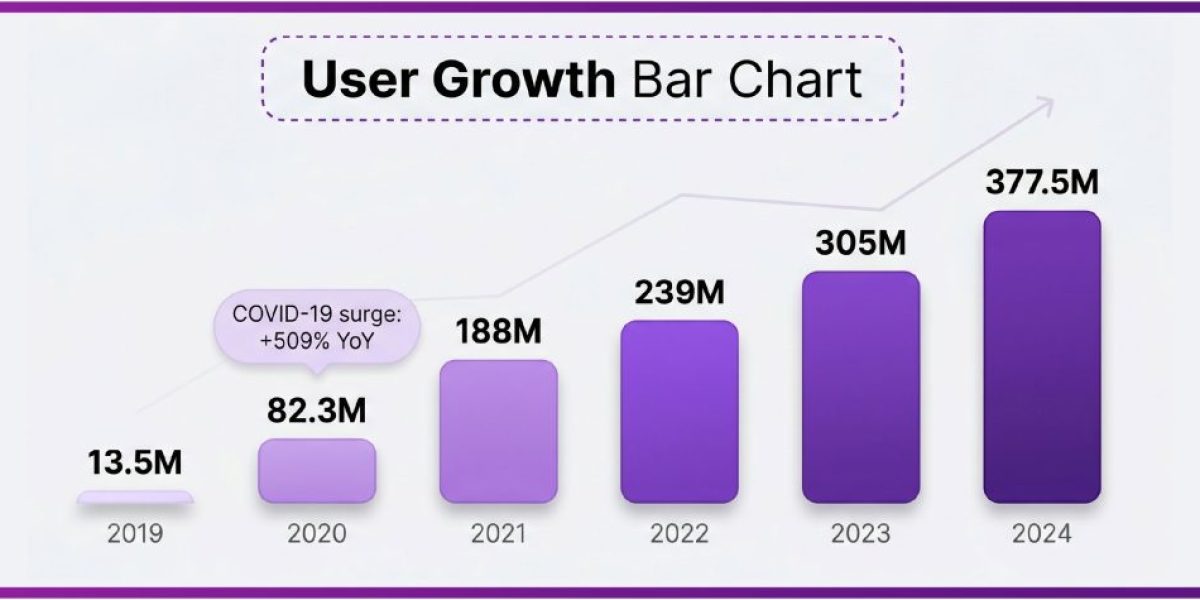
Growth in users since 2020 means more people meet this same small hold every day. It is one of the most common questions new subscribers ask, and the answer rarely involves a real charge. With a card on file, a $0 subscription, and a few days of patience, the entry disappears.
FAQ
Does a free page really cost nothing?
Yes. A free page has its subscription price set to $0, so no monthly charge applies. The creator earns through tips and pay-per-view messages instead, and the platform takes 20% of those amounts.
Why is there a pending amount if the subscription is zero?
The pending amount is an authorization hold used to verify your card. It reserves funds temporarily but does not move money. Most banks release it within three to five business days.
Can a free page ever charge my card automatically?
No. With a $0 subscription price there is nothing to renew. Real charges only happen when you choose to send a tip or unlock a pay-per-view message.
What should I do if the hold does not clear?
Contact your bank and ask whether it is an authorization or a settled charge. If it is still an authorization after ten business days, request a release or a dispute with the date and amount ready.